

Oh, those folks who roam from shelf to shelf with their smartphones, finding what they want and scanning barcodes to see where they can find it cheapest. They dart between the stacks, strenuously avoiding eye contact, knowing they are doing you a disservice but putting it out of mind by not actually speaking to a live human being.

They have enough self-awareness to feel shame. Not enough shame to shop where they browse (or buy where they shop, or however Buy Local enthusiasts want to phrase it this week) but enough shame to hide their actions.
There’s another form of customer who doesn’t showroom but is not timid about making comparisons to online prices. He’ll march to the register, slam a hardcover copy of Dust to Dust on the counter, and demand to know why we’re charging $26.99 for a book he can get for twelve bucks on Amazon. How do we sleep at night? More often than not, this customer is a member of our Book Club who we haven’t seen in a number of years. He’s reaffirming in his mind why he doesn’t come to Books & Books anymore (nevermind that he found Dust to Dust on the employee recommendation display, whereas its 611,173rd Amazon sales ranking may have made it easy to miss). He’ll buy the book grudgingly – with a discount depending on who took care of him and what mood s/he was in – and leave knowing he’s made the right decision to save money online rather than be a Books & Books regular. Oddly, he’s buying that book so he can sleep at night.
Seriously, fuck Amazon.
The third “customer” is the most frustrating. Maybe you share a good ten, fifteen, twenty minutes talking books (if you have an unpopular obsession then you know how pleasurable this can be, just talking with someone who shares it). You wander the stacks, pulling titles, talking about your favorites. After a time, you direct her to the registers so she can be rung up.
“Oh, that’s okay,” she laughs blithely, “I’ll just buy them on Amazon.”
Or the inventory systems lists a copy of Fosse you can’t find. You try biography, theater, dance, and film. You even try the new release section. When that proves fruitless you recommend Martin Gottfried’s All His Jazz and a 30th anniversary DVD of Caberet because you’ve got them in stock.
“Thanks anyway, I’ll just buy it on Amazon.”
You offer to order it and call them when it arrives in a week. You offer to ship it directly to their house to cut the wait time down to two or three days. You offer fame, you offer power, you offer all that you have and more…
“I’ll just buy it on Amazon.”
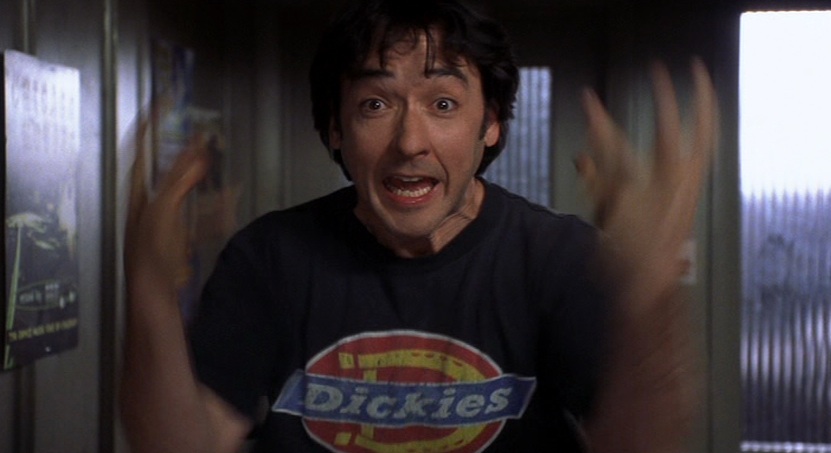
I always wish I knew where these folks work. I imagine the satisfaction of going to their bank and telling them, “Thanks for all the helpful info on retirement planning but Wells Fargo offers better rates.” Of going to their restaurant and saying, “Wow, this menu looks great and the dishes smell divine but I can get cheaper food at The Olive Garden.” Of going to their office and saying, “Sure you take my insurance but I think I’ll go to Urgent Care; they play movies in the waiting room.”
Why make a point of telling me you’re going to the competition, why not just say “I’ll think about it” and go on with your day?
I don’t think these customers hate other people, or fail to see folks in customer service positions as fellow human beings, I think this goes back to how the average book buyer sees bookstores: they are an extension of the book business, of which Amazon is the Lord High Ruler, so no matter where you buy a book it has to be good for the stores. Right?
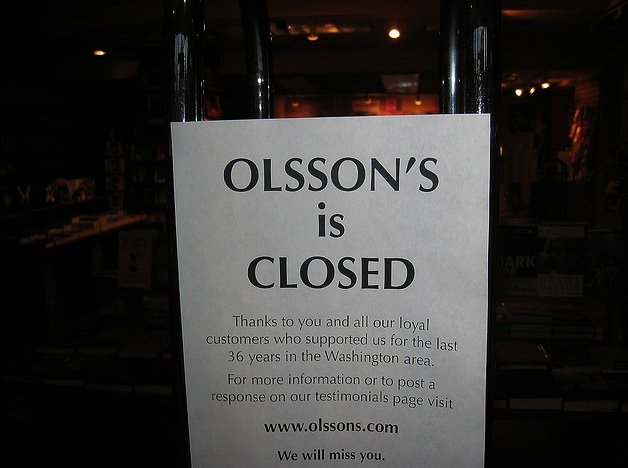
In this way of looking at the book world, independent bookstores are all just Amazon affiliates, and foot-traffic is no different than a page view. In 2011, Amazon even made individuals into affiliates for the holiday season, offering lower prices to anyone who used an app to scan products at a physical store. Folks were happy to gather data for the online behemoth and leave stores empty-handed. As a bonus for Amazon, it got people accustomed to showrooming. Don’t be shy, Amazon said, knowing they could beat any price put forth by a bricks-and-mortar location, celebrate showrooming. If the stores can’t take it, then they’re dinosaurs and they deserve to go extinct.
Amazon stopped the price incentive – they just wanted to get people in the habit, anyway – but they have improved the app. No longer do you have to worry about looking for a barcode, because the price check app has added image recognition.
If this is a question of saving money to you, then I ask you to look long term. Used to be when people shopped online they’d use Google to search for an item. Now, they use Amazon first. When Amazon becomes the only place to shop, do you think they’ll keep prices low out of the kindness of their hearts?


 Aaron John Curtis
What do you think?